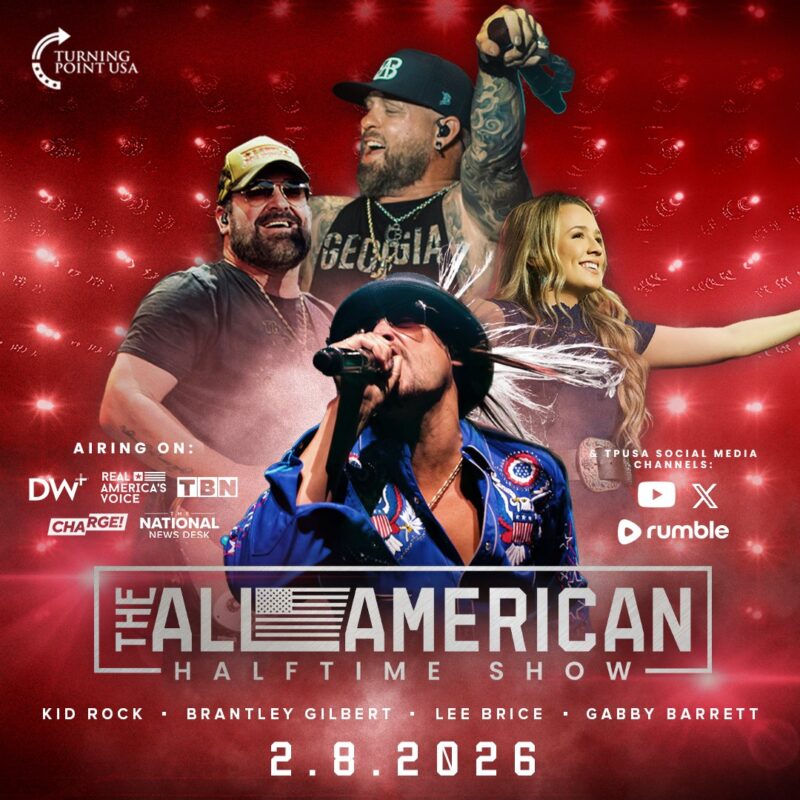

When the NFL announced Bad Bunny as the headliner for the Super Bowl LX Halftime Show, it sparked a mix of excitement, curiosity, and controversy. The global reggaeton star — fresh off winning Album of the Year at the Grammy Awards — made history with his Spanish-language performance and massive cultural reach. Yet, some corners of American discourse recoiled. Conservative critics, including organizers behind Turning Point USA’s “All-American Halftime Show,” pushed back against the NFL’s choice, claiming it strayed from what they consider traditional “American values.”
Part of that backlash came from surprising quarters. During media week leading up to the big game, numerous NFL players were asked if they knew who Bad Bunny was; many admitted they didn’t. That honesty — genuine or simply unfiltered — became fuel for critics who framed the halftime selection as out of touch with core football audiences. For some Americans, Bad Bunny’s description by detractors as “having a dance party, wearing a dress, and singing in Spanish” was more than a commentary on style — it became a cultural flashpoint about language, identity, and entertainment at one of the nation’s biggest sporting events.
Turning Point USA seized that friction to launch its own alternative halftime event. Headlined by Kid Rock, with performers Brantley Gilbert, Lee Brice, and Gabby Barrett, the so-called All-American Halftime Show is streamed across conservative platforms as a kind of “values-driven” counterprogramming emphasizing faith, family, and freedom.
But beneath the surface of this cultural tug-of-war is a deeper conversation about what “American values” even mean in 2026. Bad Bunny is a U.S. citizen from Puerto Rico and one of the most streamed global artists — his performance reflects the diversity of the country’s audience. Meanwhile, TPUSA’s lineup leans into classic country and rock roots, a genre deeply tied to American music history. Gabby Barrett herself broke out with hits like “I Hope,” and Lee Brice’s country radio staples like “One of Them Girls” remain popular within their fan bases, even as musical tastes evolve.
At its heart, this divide — between a Spanish-language global star and a countrified conservative alternative — speaks to a larger tension: how do we balance the mosaic of modern America with nostalgic visions of national identity? Whether you watch Bad Bunny thrill millions or tune into Turning Point’s show, it’s clear the Super Bowl halftime has become more than music; it’s a cultural Rorschach test.
No matter your view, one thing remains true: Super Bowl Sunday isn’t just about who performs at halftime, it’s also about how we come together — whether that’s over fierce debate, shared snacks, or that perfect batch of game-day treats from sisterscandy.com to keep the conversation (and the crowd) energized.